

Choosing tiles is only step one. The pattern you use to lay your tiles can make a big difference to your tiling project.
Over the years, many patterns have emerged, especially when feature tiles are in play. But the classics are go-to choices for a reason.
At Tile Clearance Outlet, we know certain styles remain popular for two reasons: the ease with which they can be laid, and their ability to successfully showcase your tiles.
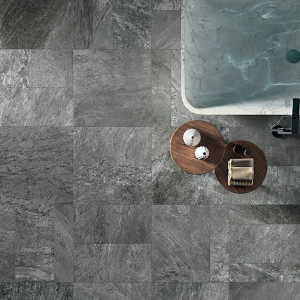
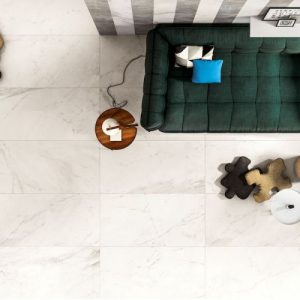
Stacking
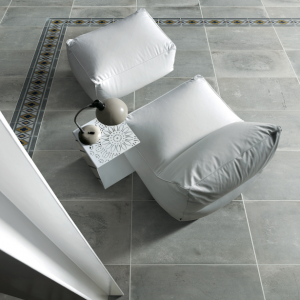
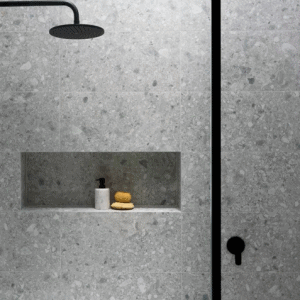
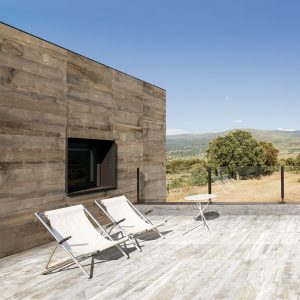
For first timers, stacking is the go-to laying pattern, seen everywhere from bathrooms and kitchens to outdoor areas.
Tiles are laid in straight lines so grout remains visible in clear horizontal and vertical lines. For this reason, grid is another name for this pattern.
A fantastic choice if you have stunning tiles as the simple layout truly allows the appearance of the tiles to be appreciated.
Depending on the shape of your tiles, horizontal stacking or vertical stacking are possibilities.
Stacking is often referred to as stacking bond pattern.
What are bond patterns?
Unlike stacked tiles, bond patterns don’t align into a simple grid. New lines of tiles are placed at varying points along the previous line. Grout does not show as a single straight grid, but does have a cohesive pattern overall.
Examples to consider:
- Brick bond also called stretcher bond is laid so each new row places tiles 50% along from the starting point of the tile in the row above.
- Staggered bond also called 1/3 bond or offset follows the 1/3 rules, where each new row is offset by 1/3 of the starting point of the tile above it.
- English bond sees two tiles, one rectangular and one square, placed in alternating rows. This way, grout lines of the same tile types always align.
Inspiration comes from bricklaying where one row was long-facing, and the next row laid width-wise.
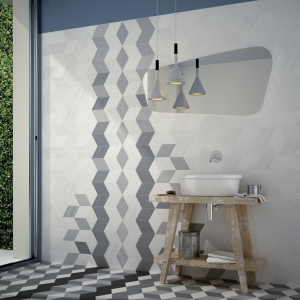
Diamond/diagonal
Laying your tiles at a 45 degree angles give the impression of diamond-shaped tiles.
The laying pattern isn’t complex yet hints at sophistication, appealing to those who want a more complex style that isn’t too difficult for DIY.
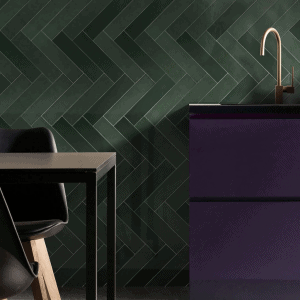
Herringbone
A classic and popular pattern, herringbone involves angling tiles to form a V shape. Especially effective for rectangular tiles, making the space feel more dynamic.
For a trickier take, try the double herringbone that sees two tiles placed for every one used in standard herringbone.
For a tiling pattern similar to herringbone, chevron could be worth exploring.
Basket weave
Here, the finish is meant to be reminiscent of a weaving pattern, fostering the illusion the rows are fluid. Basket weave is open to a wide range of creative interpretations.
A simple take forms squares with rectangular tiles, alternating vertical and horizontal pairs. Other patterns incorporate mosaic tiles to further the impression tiles are overlapping.
Still searching?
You can find more patterns mentioned in our blog discussing the importance of tile laying patterns.
Numerous takes on tile presentation exist, many suited to your tile selection. To talk discount tiles and possible patterns, feel free to contact our friendly team today.