

A great tiling job begins with a well-planned approach.
Nobody wants to blow the budget on too many tiles, but running out of tiles isn’t ideal either. As leading providers of discount tiles in Perth, Tile Clearance Outlet has seen it all.
Preparing ahead for a tiling project is your best bet, saving you time and money. The following tips should help you calculate how many tiles you should purchase.
The tiling pattern
If you haven’t already, decide on a tiling design that best suits your vision.
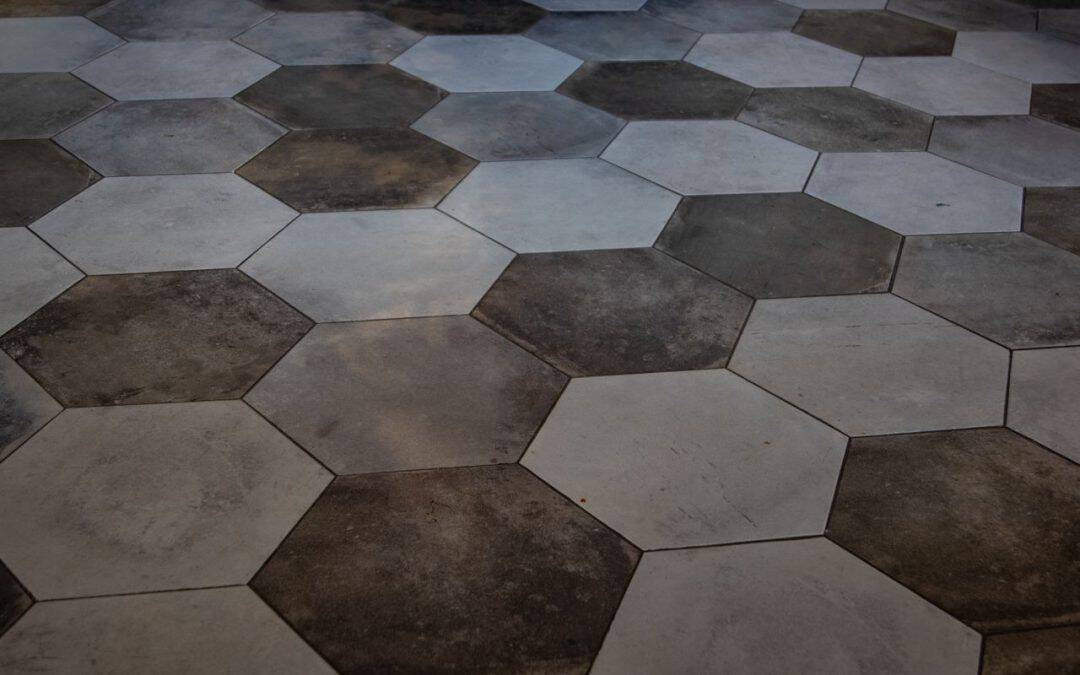
How you lay the tiles may have an impact on the number you need to order. Placing tiles at certain angles can require more tiles in total than a basic pattern.
Still looking for inspiration? Browse our blog that explores the most popular tiling patterns.
Have your tools ready
Ensure your tape measure is easy to use and read for accurate measurements.
Have a paper and pen on hand, or a note app on your phone or tablet ready to use. Avoid memorising numbers for later as a simple slip can prove costly.
A quality tiling job relies on precision, so measure down to the millimetre.
Work out area size
Measure the total space that requires tiling in square metres (m2).
Measure the length of the room or wall to be tiled in metres. Next, measure the width of the area. Multiply these two numbers for the total tiling zone in square metres.
Length in Metres x Width in Metres = Total in m2
This is easy if you have a simple square or rectangular space. Otherwise, a few more steps may be necessary.
If the room you measured includes spots that won’t require tiling, measure these smaller areas the same way (Length x Width), and subtract the totals from the room total.
Is the whole space for the project an unusual shape? Measuring the room upfront as a single simple calculation may prove difficult.
Instead, divide the area into smaller sections and measure separately. Add the sums together for the overall total tile coverage needed.
A multi-surface job
Bathroom tile designs are an example of spaces where multiple surfaces will be tiled.
Planning to do walls and floors in the same tiling style? Divide the room into portions and calculate sub-totals before adding the numbers together.
Kitchens are another area where multiple surfaces may require the same tiles. For the best possible shade matches, a single bulk order is best.
Remember the grout
While easy to dismiss, grout takes up space that needs to be calculated.
The size of grout lines and the pattern chosen can impact the number of tiles required. Remember to include grout in your estimations.
Be thorough
Having a visual plan mapped out is a great way to avoid making mistakes. Draw a general plan of the area to be tiled.
Is your tiling pattern complex? Sketch a detailed square metre to see if tile usage will match your predictions.
Certain layout patterns require a small percentage of additional tiles per square metre. Your project may need anywhere from 5-20% more tiles than originally calculated.
The higher ratio is more common for patterns that include diagonal layouts and spans waste.
Often, edges of a room or outdoor area require only part of a tile. This is referred to as a cut tile, with unusable portions becoming waste.
Make sure the sketch includes grout. Remember to take into consideration how each square metre of tiling aligns with those around it.
Recreating the exact dimensions on paper or using a computer program will confirm your plan is on track.
Verify your sums
The good news is you can check your tiling project calculations online. A search for a tiling calculator offers digital tools created to help determine your needs.
Between a calculator online and a hand-drawn plan, you should lock in an accurate read.
Our team knows the importance of careful calculations, so feel free to ask for advice. When it comes to tile stores in Perth, expert tips are as helpful as competitive pricing.
Mixed size tiles
An online calculator may not be as accurate if your tiling layout is complex. A custom design has the potential to require more tiles.
Do you plan to use a mix of tile sizes? How often does the custom pattern repeat in the area being tiled? This will impact numbers.
The needs of a pattern that encompasses 2m2 may differ from a pattern that repeats every 1 m2, depending on how the edges of the pattern align.
Remember that different tile sizes will likely require separate grout calculations.
To grasp how the pattern impacts your tile order, take the time to sketch the area design in full, factoring in predicted wastage.
If the process is overwhelming, consider hiring a professional tiler.
A generous estimate
While budget is important, a tiling job should lean toward a slight oversupply of your chosen tiles.
Tiles may be dropped or accidentally snapped during the laying process. Your initial purchase should include excess to cover these incidents.
The last thing you need is to be chasing replacement tiles mid-project. Worse case, a lack of excess and low stock out can leave your project in the lurch.
A single order also means you won’t have to worry as much about differing shades.
Purchasing an excess 10-15% of the total needed tiles is a common practice. This should also cover potential replacement tiles for repairs in the future.
Take a pedantic approach
Check your measurements. Check your numbers. Check your calculations. Confirm tile size, grout size, and the size of the space itself—more than once.
Better to be overly cautious than find yourself in trouble partway through a project.
Have any questions?
As the best tile shop in Perth, we offer quality tiling that respects your budget. If your calculations keep coming up with different results, our experts can chime in.
To discuss your tiling project or to run any concerns by us, reach out to our team.